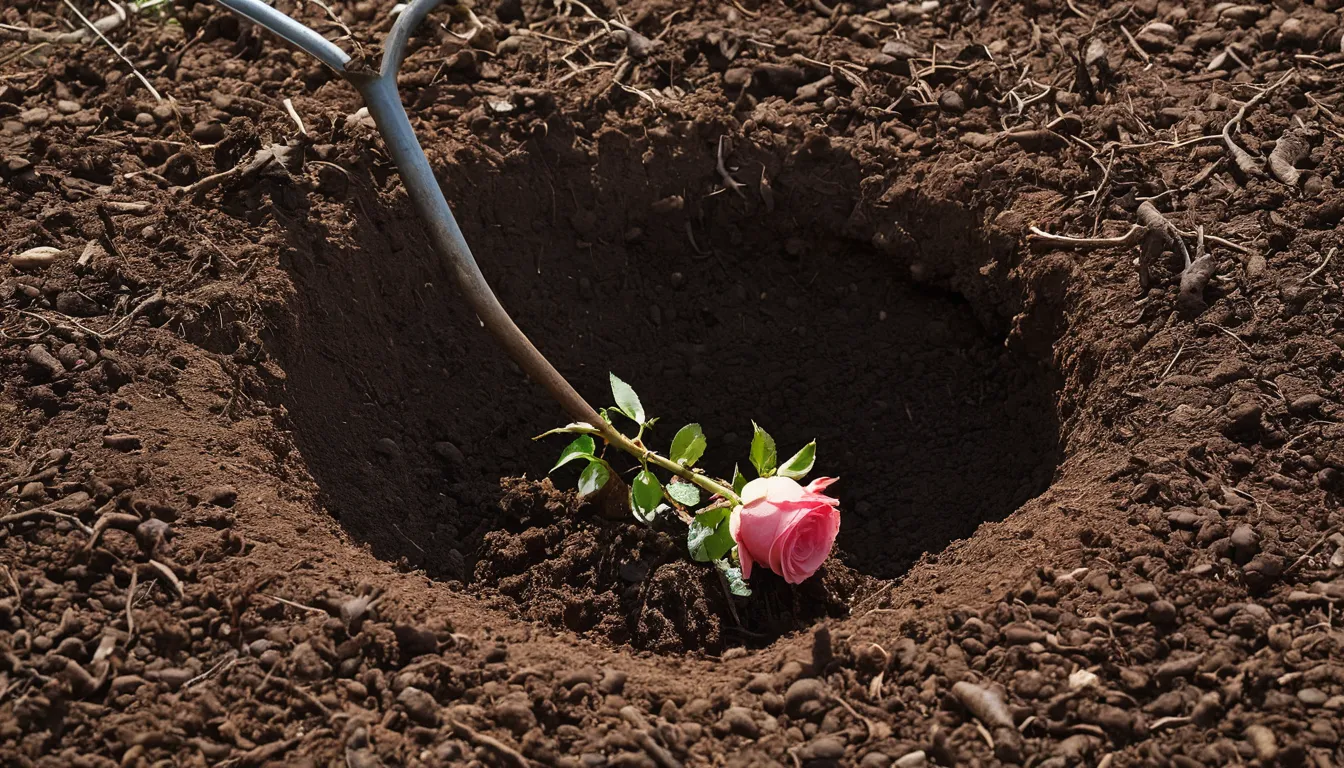
Choose the site
- Sun. Aim for at least six hours of direct sun a day. Morning sun helps dry dew from the leaves, which reduces disease. In very hot regions, light afternoon shade can help.
- Air. Good air movement keeps leaves drier. Avoid tight corners and spots crowded by other plants.
- Drainage. Roses like moisture but hate sitting in water. If a hole full of water is still full a day later, choose another spot or build a raised bed.
- Competition. Keep roses away from the roots of large trees and hedges, which take most of the water and food.
Prepare the soil
Roses grow best in soil that is rich in organic matter and slightly acidic, around pH 6.0 to 6.5 is a common target. A soil test is the only way to know what you have. Many extension services offer testing, and the results tell you whether you need lime, sulfur or particular nutrients. Guessing can do more harm than good.
Before planting, loosen the soil over a wide area and mix in well-rotted compost. Many gardeners now dig a wide hole and backfill with mostly the native soil plus some compost, so roots grow out into the surrounding ground instead of circling in a pocket of rich mix.
When to plant
Bare-root roses are planted while dormant, in early spring in cold regions and in late winter in mild ones. Potted roses can go in any time the ground is workable and the weather is not extreme, though spring and early fall are easiest. Avoid planting in a heat wave or into frozen ground.
Planting a bare-root rose
- Soak the roots in a bucket of water for a few hours, or overnight, before planting.
- Trim off any broken or damaged roots with clean pruners.
- Dig a hole wide enough to spread the roots out without bending them, often about 18 to 24 inches across.
- Build a cone of soil in the center and drape the roots over it.
- Check the height of the bud union (see below), then backfill, firming gently with your hands to remove large air pockets.
- Water slowly and deeply, let it drain, then top up the soil if it has settled.
Planting a potted rose
- Water the rose in its pot an hour or so before planting.
- Dig a hole about twice as wide as the pot and as deep as the root ball.
- Slide the rose out and gently loosen any roots circling the outside.
- Set it in the hole at the right depth, backfill and firm gently.
- Water deeply, then add mulch.
How deep to set the bud union
On a grafted rose, the bud union is the knobbly lump where the variety joins the rootstock. Depth advice depends on climate. In cold regions, many growers set the bud union about two inches below the soil to protect it from freezing. In mild regions, it often sits at or just above soil level. Advice varies, so follow your local extension service or rose society. Own-root roses are planted at about the same level they grew in the pot.
Spacing
Check the mature width on the plant tag and space roses so that they will just touch when fully grown, or a little apart in humid areas. Crowding is one of the most common causes of leaf disease.
The first season
A new rose needs regular watering through its first year, often more than an established plant. Keep a ring of mulch over the roots, held back a little from the canes. Go easy on fertilizer at first. Many growers wait until the rose has flowered once before feeding. The watering and feeding guide covers the details.